Blog

  • Who’s LOVE did you CRAVE in early life?

    Who’s LOVE did you CRAVE in early life?

    Emotional Spring Cleaning: What Did You Have to Be for Love?

    I was about to write something seasonal about emotional spring cleaning—how clearing space in your environment makes room for new opportunities. But something deeper bubbled up instead…

    a question.

    Whose love did you crave most in early life? And what did you have to BE to receive it?


    The Roots of Who We Became

    emotional spring cleaning – release past patterns

    For me, it was my grandmother. I craved her love deeply. She was a wise, intuitive psychologist, and I always felt like she saw into my soul. I never had enough time with her, but I knew what she valued—and so, from a young age, I shaped myself to match.

    To win her love, I believed I had to be:

    • Emotionally connected

    • Intuitive and self-reflective

    • Aspirational and authentic

    • Hopeful, wise, and grounded

    These became the core traits I aspired to. And when I’m not living in alignment with them, I feel off—like I’m falling short of who I’m meant to be.


    Emotional Spring Cleaning: Releasing Old Identities

    One of the most powerful tools for emotional spring cleaning is reflection. Ask yourself:

    • Who did I have to be for love?

    • Are those traits still serving me?

    • Which ones are mine—and which were shaped by someone else’s approval?

    Sometimes the identities we adopt in childhood help us survive or succeed. But later in life, they can feel limiting, inauthentic, or even harmful.

    If the qualities you embodied for someone else were negative or disempowering, this is your invitation to let them go. Emotional spring cleaning is about clearing the old stories so you can consciously choose who you want to be now.


    ✨ Create Space for the Real You

    Even if life has challenged or buried your best traits, they are still within you. Think of a time when someone affirmed those parts of you. That moment of recognition can be your fuel.

    Authenticity isn’t something you earn—it’s something you uncover and return to.
    Hard times can help you remember who you truly are.

    Let this season be about clearing not just closets and drawers—but also patterns, expectations, and roles that no longer fit. That’s the heart of emotional spring cleaning.


    ✨ Journal Prompts for Your Own Emotional Spring Cleaning

    • Whose love did you crave growing up, and what did you feel you had to be?

    • Which qualities still feel aligned—and which feel like a burden?

    • What qualities do you now choose to embody?

    • What will you clear away this spring to make room for your most authentic self?


    You Can Always Start Again

    As adults, we can choose mentors and models who reflect our values. We can let go of the pressure to be who we once needed to be—and step into who we truly are.

    So I ask you again:

    What will you choose to clear this spring?
    What would it look like to start fresh… from your heart?


    Want More?

    Explore related topics:

  • You’re More Powerful Than You Think

    You’re More Powerful Than You Think

    How Your Energy Affects Others: Understanding Energy Arrows

    We don’t always recognize how our energy affects others, but our moods and emotional states carry power. Whether we’re joyful, anxious, angry, or calm, we emit what I call energy arrows—invisible emotional signals that influence the people around us. Becoming aware of them is the first step toward protecting others from our energy and protecting ourselves from theirs.


    What Are Energy Arrows?

    Imagine being in a good mood and encountering a friend who is extremely angry. As they rant and rave, what happens in your body? Even if their anger isn’t directed at you, you may feel tense, uncomfortable, or emotionally drained. That’s their energy arrows penetrating your emotional space.

    I believe our energy arrows are shaped by our emotions and that they affect others—positively or negatively—whether we’re conscious of it or not. These arrows can also be understood as vibrations, frequencies, or magnetic fields. We emit them all day long.


    How Your Energy Affects Others—Even Without Words

    Think back to a time when you felt genuinely happy. Maybe you smiled at strangers, offered to help someone, or felt more socially open. Your happiness wasn’t just an internal experience—it was shared. Your smile and energy were sending out positive energy arrows that others could feel.

    Have you noticed people smiling back? Trying to talk to you? Energy is magnetic. When you’re aligned, you attract. When you’re off, you may unconsciously repel.

    This is the real power of emotional energy: it determines what you draw in and what you push away.


    ️ How to Protect Yourself From Negative Energy Arrows

    When you don’t have healthy boundaries, other people’s arrows can affect your emotions quickly. You might start the day feeling grounded, only to be thrown off by someone else’s negativity.

    While it’s natural—especially for empaths—to care deeply, you don’t have to carry what isn’t yours.

    ✅ Visualizations to Protect Your Energy:

    • The Bubble: Visualize a protective forcefield around your body. Imagine negative energy bouncing off instead of entering your space.

    • The Basket: See yourself holding a basket where others’ energy lands. You can then visualize dumping it out after the interaction.


    ️ Communication Techniques to Deflect Emotional Arrows

    Sometimes people just need to feel seen and heard. Practicing compassionate communication can help defuse the emotional arrows being fired at you:

    • Mirror and validate:
      “What I’m hearing you say is… Did I get that right?”
      “From your perspective, I can see why you feel that way.”

    • Offer empathy:
      “I understand—and I’ve experienced something similar.”

    Even if you don’t agree, validating their feelings can protect your own energy by creating emotional distance without emotional disconnection.


    Are You Using Your Energy Arrows to Attract or Repel?

    We all emit energy, and we all affect the emotional landscape of those around us. The more conscious we become of how our energy affects others, the more we can use it to create stronger relationships, attract aligned people, and stay rooted in our truth.

    Start noticing the energy arrows you send and receive. Ask yourself:

    • Am I helping others feel safe, seen, and inspired?

    • Am I allowing others to affect me in ways I don’t want?

    • What boundaries or visualizations help me stay centered?

    You have the power to choose the arrows you send—and the ones you allow in.


    ➕ Want More on Protecting Your Energy?

    If you’ve taken on too much of other people’s energy and it’s weighing you down, read this related article:
    Are You a Bubble or a Sponge?

    Or check out the Root-to-Rise book and online course to learn how to create emotional balance in all areas of your life.


    Special Thanks

    With gratitude to Kristen Dessange of Sacred Life Circle for inspiring many of the energy practices shared here.

  • Radical Self-Care for the Stressed

    Radical Self-Care for the Stressed

    Dear Stress, Let’s Break Up!

    Self-care, self-help, and coaching are not just buzzwords—they are lifelines when you’re stressed. In fact, self-care for the stressed can be the difference between burnout and balance.

    Why Stress Is Serious

    We’ve all heard the phrase “stress is a killer.” Unfortunately, it’s true. Stress can manifest in emotional and physical ways that, over time, may lead to depression, anxiety, or even life-threatening illness.

    If you’ve been under pressure for an extended period and start to see physical symptoms, don’t ignore them. This is your body’s way of signaling “dis-ease.” Left unaddressed, this can turn into actual disease.

    A Lesson From Brenda

    One of my best friends, Brenda, first taught me about “dis-ease” shortly before she passed away from leukemia. She admitted she had ignored symptoms that came from being unhappy and stressed. Brenda believed cancer was invited into her body because she didn’t improve her situation soon enough.

    Her story is a reminder to practice what another friend calls “radical self-care.” When we think about self-care for the stressed, it’s not a luxury—it’s a necessity.

    Signs You May Be Under Too Much Stress

    Prolonged stress often comes with warning signs. Take note if you’ve experienced any of these for an extended period:

    • Frequent headaches

    • Fatigue

    • Digestive issues

    • Sleep problems

    • Depression

    • Low or no sex drive

    • Feeling overwhelmed

    • Irritability or anger

    These signals aren’t just inconveniences—they’re your body’s call for help.

    Boundaries as a Form of Self-Care

    When you’re in a high-stress season, treat yourself with extra care. And don’t feel guilty about it. This is one of the core principles of self-care for the stressed.

    Part of this involves setting healthy boundaries. Many of my coaching clients struggle with saying “no,” which leaves them overextended and depleted.

    A close friend of mine, who lost his daughter in a motorcycle accident, had to make difficult choices to protect his mental health. He turned down an international job opportunity, choosing instead to focus on exercise, journaling, and staying connected to loved ones.

    Common Causes of Stress

    Stressful events can take many forms. The most common include:

    • Death of a loved one

    • Divorce, separation, or frequent conflict

    • Job loss

    • Personal injury or illness

    • Moving to a new home

    • Major life transitions, such as becoming a parent or starting a new career

    Even positive changes can be stressful. That’s why planning self-care for the stressed is essential during these times.

    Let People In

    Don’t hide your stress. Let trusted friends and family know so they can support you. Vulnerability strengthens relationships and makes it easier for others to share their struggles, too.

    Stress Isn’t a Solo Battle

    Please don’t take stress lightly. Invest in your personal growth, and if needed, seek help from a personal development coach or therapist.

    At its core, self-care for the stressed is about creating a support system, setting boundaries, and making your well-being non-negotiable. It’s not selfish—it’s survival.

    Written by Chandra Lynn

  • Trust the Hurt of Letting Go

    Trust the Hurt of Letting Go

    It’s Fall—Time to Let Go and Glow

    Like trees dropping their leaves, fall reminds us it’s time to release what no longer serves us. In the same way, we can use this season as a natural opportunity to reassess our lives and make space for growth.

    What Are You Holding On To?

    Ask yourself: What have you been holding on to that isn’t working or supporting you to live your best life? For some, it’s an outdated idea of how life is “supposed to be” or a limiting belief. For others, it’s a relationship, job, bad habit, weight gain, or something else that no longer works. In many cases, we hold on simply out of habit, even when it drains our energy.

    Why Letting Go Feels Hard

    If something is not working, why is it so hard to let go? Often, it still meets a core need—like certainty, significance, or connection. As a result, we may cling to it for the comfort it provides, even when it also causes harm. It could also be fear—fear that living without it will hurt too much. However, discomfort is often part of transformation. Walking through the fire of change builds resilience and inner strength. Therefore, it’s important to stay grounded in that discomfort and keep moving through it. At the same time, avoid backing out too soon unless there is real danger. On the other side is growth and new possibilities—perhaps even part of your soul’s journey.

    My Three-Step Process for Emotional Mastery

    I’m working through my own letting-go process right now. There are moments I want to escape—pull back, take flight, or disappear. Even so, I’ve learned to meet those feelings with awareness instead of avoidance. When that happens, I use this three-step method:

    1. Physiology – Breathe deeply. Fill your chest and belly with air. Then feel your feet rooted into the ground, reminding yourself that you are supported.

    2. Focus – Concentrate on what you want to create, not on what isn’t working. In addition, step into a state of wonder: How would it look and feel for your vision to come true?

    3. Meaning – Use empowering words to reassure yourself that everything will work out because you believe in yourself and trust the process.

    Let This Season Be Your Teacher

    Take your cue from the falling leaves. Instead of resisting change, allow yourself to release what no longer serves you. In doing so, you create space for new opportunities and personal growth. Let go—and allow yourself to glow.

    Related Reading: How to Let Fall Bring Positive Change | How To Get Unstuck

    Meta Description: This fall, practice letting go of what no longer serves you. Discover a 3-step process for emotional mastery and embrace growth and new possibilities.

  • Scared To Be Vulnerable?

    Scared To Be Vulnerable?

    Vulnerability is the doorway to deeper connection, emotional strength, and authentic living.

    When Open-Hearted Living Gets Hard

    Are you scared to be vulnerable? I am. I never thought I was, though. I’ve always lived open-heartedly, which for me means showing up authentically in all areas of my life. However, over the last few months, I found myself pulling back—hiding during hard times because I feared exposing my struggles.

    As a coach, I want to be an inspirational leader and a steady rock for the people around me. Yet as I’ve questioned what I truly want in my relationships and career, I’ve felt myself shrinking. It’s been harder to focus and live out loud. My goals have stalled, and instead of moving toward them, I’ve been more focused on simply getting by.

    Why I Paused the Glow Living Newsletter

    One of the first things to go was the Glow Living newsletter. Why? Because I didn’t want to send something generic or inauthentic. I’d rather pause than put out content that doesn’t feel real.

    Reading Daring Greatly by the amazing Dr. Brené Brown helped me see the truth: my lack of momentum with Glow Living comes from the discomfort of addressing tough topics when I feel personally vulnerable. I can talk for hours about challenges that aren’t affecting me in the moment. But when I’m in the middle of my own struggle, it’s harder to show up publicly.

    The Vulnerability Epidemic

    The more I open up about vulnerability, the more I see it’s an epidemic holding people back. For example, in relationships, if you crave deeper intimacy but can’t seem to reach it, I’d bet it’s because one or both of you finds vulnerability hard.

    What Are We Really Afraid Of?

    So what are we really afraid of? That if we show our true selves, people won’t like or respect us? That they’ll criticize or leave? That we’ll appear weak for revealing our fears and feelings?

    Here’s the truth: vulnerability is a sign of emotional strength, maturity, and self-esteem. It’s also attractive—people are drawn to authenticity. Often, the part of ourselves we hide is the very thing that makes others fall in love with us.

    Risk and Reward in Being Real

    If we open up to those we love and they reject us, perhaps they are the ones who aren’t worthy. I know it doesn’t always feel like it’s worth the risk, but isn’t it better to know who will still stand with you after seeing your whole heart?

    Let’s Explore Vulnerability Together

    I’m still learning and exploring this through Brené Brown’s work, so I don’t have it all figured out. But I’d love for us to explore it together. Let’s make GlowLiving.com a safe space to share vulnerability and see what happens when we show up for each other without masks.

  • Glow Living Gratitude Journal – Free Download

    Glow Living Gratitude Journal – Free Download

    A Free 36-Page Guided Journal to Spark Joy, Peace, and Daily Appreciation

    The Glow Living Gratitude Journal is your free, 36-page guided PDF designed to help you create a daily gratitude practice that sparks joy, relieves stress, and attracts more positive energy into your life. From the very first page, you’ll notice that each section is inspired by one of six powerful elements: Earth, Air, Fire, Water, Metal, and Space. Because of these themes, your reflections will stay fresh, inspiring, and engaging over time.


    Why Gratitude Matters

    Gratitude is far more than a feel-good habit. It is a proven method to boost happiness, reduce anxiety, and improve relationships. For example, when you shift your attention from what is lacking to what is already present, you can train your mind to recognize more moments of joy. Moreover, consistent practice helps release negative emotions such as anger and resentment, which in turn creates more space for peace, contentment, and appreciation.


    What’s Inside the Glow Living Gratitude Journal

    This is not just a blank notebook. Inside, you will find:

    • 36 editable, printable pages for daily or weekly use

    • Six elemental themes to guide your reflections in unique ways

    • Inspiring quotes to set the tone for each entry

    • Thought-provoking prompts that spark deeper insights

    • Ample space to capture your ideas, thoughts, and memories

    Because each section combines quotes, prompts, and open space, you are more likely to keep your journaling practice consistent and rewarding.


    How to Use Your Journal for the Best Results

    Once you download the PDF, you can print it or use it digitally. First, choose a page that resonates with your mood that day. Then, spend a few minutes responding to the prompt, reflecting on the quote, and writing down your thoughts. Over time, these short sessions will build into a powerful collection of insights and memories. As a result, you will begin to notice a growing sense of peace, gratitude, and positivity in your daily life.


    Get Your Free Glow Living Gratitude Journal

    Fill out the form below to instantly access your free Glow Living Gratitude Journal. After you begin using it, you will see how even a few minutes of daily gratitude can transform your outlook on life.

    [kleo_button title=”DOWNLOAD JOURNAL” href=”https://glowmarketing.aweb.page/p/bc454de1-91fa-451c-87d9-1937d1555b80” style=”default” size=”60″ ]

    Want to go deeper into emotional wellness? Explore the Root-to-Rise books that help you align every area of your life.

  • What are your passion points?

    What are your passion points?

    Loving Life Starts Here

    What I ultimately want to do with Glow Living is help people love life. Not by sharing some magical “big secret” that will instantly transform how you see the world—but by letting you in on my journey to learn to love life myself.

    Of course, I’ll share every insight and tool I discover along the way. But I won’t pretend I have it all figured out. I was never a cheerleader, and I’m not a Pollyanna when it comes to encouragement. I admit there are days I don’t love life. Yet I also have moments when I do—and I’ve learned a lot about what makes me happy.

    The Power of Authentic Living

    For me, happiness starts with authenticity. When I pretend to be anything other than who I truly am, I stumble. But when I’m real and put it all out there, I connect deeply with people—and that nourishes my soul.

    Lately, I’ve been exploring what makes me happy when I’m alone. I thrive when I’m sharing experiences with others, yet I often feel flat when it’s just me. I realized that’s because most of my solo time is spent checking tasks off a to-do list, not doing things that light me up in the present moment.

    Living in the Now, Not the “Someday”

    Recently, someone asked me what I love to do just for myself. I froze. Nearly everything I thought of was tied to organizing, personal maintenance, or planning for the future. But the truth is, the future isn’t guaranteed.

    So, I’ve made a commitment to myself: to find and prioritize activities I love in the now. I’ve seen how arts, music, and creativity energize people. Personally, I’ve felt joy making jewelry, painting, practicing yoga, and going to see live music. But too often, I’ve put them aside—telling myself I’ll “get to them when I have more time.”

    Why We Delay Joy

    Discovering what moves me now—what gets me excited to get out of bed—is my current focus. And I want to know the same from you: What does your soul call you to do in your personal time?

    When we connect to our passions and nurture them, we love life more deeply. So why haven’t I prioritized these things? My excuses have been endless: mom duties, the pressures of running my own business, and constantly caring for others. But those excuses come at a cost—limiting the joy I can create from within.

    Raising My Vibration

    To help others live more fully, I’m committed to raising my own vibration by trying new things and discovering my current “passion points.” I’m making a promise—to myself and to you—to nurture them daily.

    Let’s create a list to support each other in feeding our passions and increasing our love for life. Email me your ideas, and I’ll publish the list once it’s comprehensive enough to inspire others. Are you with me?

    Passion Point Ideas

    • Arts & Crafts

    • Music

    • Yoga

    • Meditation

    • Exercise

    • Spending time with animals/pets

    • Reading

    • Journaling/Writing

    • Nature walks

    • Fashion

    • Food/Cooking

    • Beauty care

    • Home improvements/decorating

    • Rituals

    • Massages

    • Gardening

    Loving life means paying attention to what brings you joy in the present moment. By identifying and nurturing your passion points, you can create a life that feels vibrant, fulfilling, and uniquely your own. Let’s explore this together. Start experimenting, notice what energizes you, and make time for those experiences every day. Share your list with me so we can inspire each other and turn loving life into a shared practice.

  • 4 Steps to Feeling Good Enough

    4 Steps to Feeling Good Enough

    Practical steps to quiet self-doubt, build confidence, and start truly feeling good enough in every area of your life.

    A theme that often comes up in my coaching is a fear most people share on some level—the belief that they aren’t feeling good enough. I call it the “not enough syndrome,” and it can show up in many ways, often beginning with low-quality thoughts in response to an idea or opportunity.

    Have you ever heard that inner voice whisper, “You won’t get chosen for this,” or “There are people better than you, so don’t even try,” or some other version of “I’m not enough”? These thoughts are common, yet they hold people back in every area of life. They also lower standards for what we believe we can achieve—in our careers, relationships, and personal goals. If you’ve noticed this pattern in yourself, it’s worth asking why that little voice is still in charge.

    Why We Struggle with Feeling Good Enough

    I believe the brain gives us these messages not to sabotage us, but to keep us safe. Avoiding the attempt means avoiding the chance of failure. Remaining where you are might feel comfortable, but it also prevents new experiences. This primitive survival response may have worked when you were young, but as an adult it can keep you stuck. If you want to move past “not enough syndrome” and start feeling good enough, here’s how.

    Step 1: Thank Your Brain for Its Protection

    Acknowledge the part of you that’s been working so hard to keep you safe. Say to yourself, “I may have needed this when I was a child, but now I need growth and progress.” This shift changes the energy from self-criticism to self-compassion.

    Step 2: Replace “In-CANT-ations” with “In-CAN-tations”

    Create a new empowering statement to replace the limiting one. You might say, “I AM enough!” Another option could be, “I CAN and WILL!” or “I TRUST myself!” It might feel awkward or forced in the beginning, yet with consistent use, these affirmations can train your mind to respond with more confidence and less fear.

    Step 3: Follow Through with Action

    Words are powerful, but without action they lose impact. Back up your new belief by taking steps toward your goals, even if the outcome is uncertain. Each action builds trust in yourself and reinforces the belief that you are capable.

    Step 4: Celebrate Effort, Even When You Fail

    If you try and fail, congratulate yourself for showing up. Many people never take the leap at all. Those who succeed—especially entrepreneurs, athletes, and leaders—often do so because they are willing to try, fail, learn, and try again.

    A Final Word on Feeling Good Enough

    I’m writing this as much for myself as for you. In the past, I’ve defeated myself before even getting started more times than I’d like to admit. These days, I recognize that it’s simply my brain trying to keep me safe. Choosing to thank it, love it, and move forward anyway creates freedom. Feeling good enough starts with loving yourself, even in moments of doubt. Encouraging yourself instead of fighting yourself opens the door to more courage, more action, and more success.

    Written by Chandra Lynn

  • 5 Steps to Thrive & Feel Great!

    5 Steps to Thrive & Feel Great!

    How are you feeling? Are you experiencing any health issues or even mild symptoms like brain fog, low energy, muscle or headaches, or depression?

    If you are, your health “root” is compromised. In teaching my Root-to-Rise program, I always start with health and fitness because if you’re not feeling well, its impossible to rise up, let alone rise out of bed!

    I use “roots” to represent the different areas of your life that you value, such as health, family, romance, career, and friends. They can be measured based on how strong they are to bring your life the foundation you need to rise up from them and reach for your life goals and aspirations.

    If your answer is “No, I feel great!” That’s awesome and I recommend you keep reading to prevent future health challenges.

    If you’re answer is “Yes, I don’t feel 100%,” then consider focusing on your health this week as a priority. There are things you can do immediately to help yourself.

    I’m not a doctor, and I believe everyone should find resources to support their individual situations. I’m a health buff and happy to share my experience…

    I recently got a 1-2 punch after getting a routine blood test. The first punch was getting results that showed signs of Hypothyroidism. The second punch was a throat culture that showed Strep! Although I’m not on any regular prescription drugs, I had to get on antibiotics immediately, and may have to consider thyroid medication. For the next three months, I’m doing everything I can to improve my levels in hopes that a retest will show natural improvement.

    Here are my strategies that you may want to consider for yourself:

    1. Honestly evaluate how you are doing related to these five factors that create chronic disease (per Dr. Amy Myers in The Autoimmune Solution):

    • Diet
    • Digestion
    • Toxins
    • Infections
    • Stress

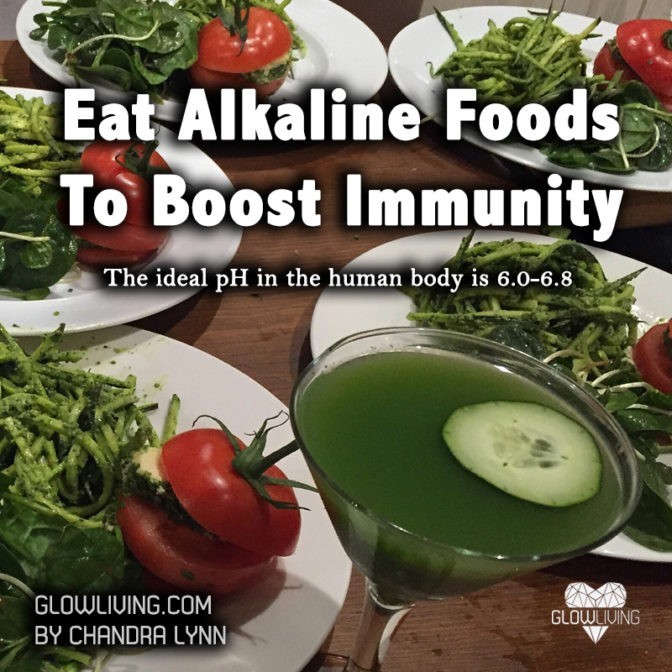
    2. Bring pH to 6.0 – 6.8 for ideal balance of acid-alkalinity. Use pH strips each morning to test urine. In 4 days, I went from 5.25 to 6.0 by drinking organic lemon water, eating greens (including juicing), and eliminating sugar and gluten. See The Acid Alkaline Food Guide

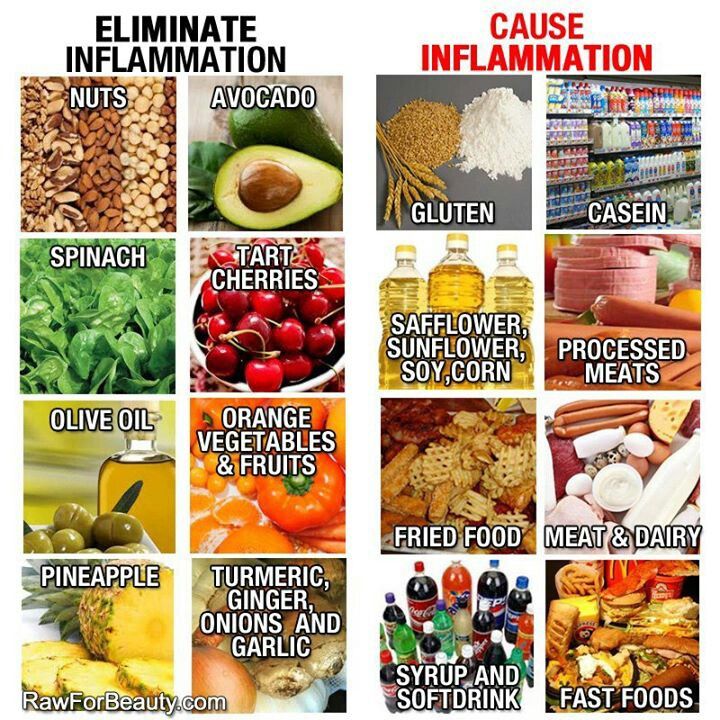
    3. Cut out all inflammatory foods. Google a list from a credible source. It will likely include alcohol, gluten, casein, bad oils (safflower, sunflower, soy, corn oil), processed and fatty meats, dairy, fast and fried food, soda and syrups, etc. I stopped coffee but that’s another conversation for a day when I’m not missing my only addiction!

    4. Get adequate testing. I had no idea about the hypothyroidism until I got tested and looked at the symptoms. Mine are low grade and I got used to them being “normal”. No one is “thriving” when they have symptoms. They are warning signs of something that may be preventable through proper self-care and emotional healing. Get tested to PREVENT problems. Don’t wait until you are already sick.

    5. Exercise and de-stress everyday. Hit it hard when you are feeling strong and pay attention when you’re not. On those days, honor yourself and do yoga or go for a walk. To relax, consider journaling, meditating, massage, hot tub, sauna or steam.

    There are other things you can do such as eliminate or reduce toxins in your home, beauty care and ingestibles. For now, start by asking yourself what you are truly willing to do (and, yes, give up) in order to feel amazing! In just 5 days, I’m already back to the gym and crushing it! ; )

    I’d love to hear about what works for you. Share your comments on this blog page I created for us. Thanks!


  • Do you have a scarcity mentality?

    Do you have a scarcity mentality?

    A common fear is scarcity, that there isn’t enough or that we aren’t enough. It’s amazing how this fear can turn into habitualized limiting thoughts. Recently, as I reported in my last letter, I had a challenge to my financial security. Since then, I’ve carefully observed my thoughts and heard them tell me all kinds of crazy things. I thought of canceling my son’s first birthday trip to NYC (he’s a major Broadway buff), my gym membership (that keeps me fit and sane five days per week), and taking on clients that didn’t align to my future. I didn’t act on any of these thoughts because they were coming from a scarcity mentality…yes, to keep me safe but not to grow. So what did I do? I hired a business coach for $5,000 to help me create a profitable and sustainable foundation for Glow Living. It may sound crazy to spend instead of save, however it created a flow of energy in the right direction that is now opening up new possibilities and clarity about my future.

    Don’t worry, my coach is not advising me to try to sell you a bunch of little stuff. He is helping support my plan to continue developing free content and encouraging community engagement around personal growth and healthy living. And, I he his helping me build a proper framework for Root-to-Rise, a high-quality, truly life-changing program for the few of you who want the deep dive.

    I don’t need to sell lots of small stuff to make my business work. Is selling a $100 program going to change lives? Not likely. I am developing something priceless that will be part of my legacy. While I’m alive, it will be at a price that keeps me in this purpose-driven role. When I die, it will be in my will to give it to as many people from for free as possible. It contains every tool and skill I know for loving life, and provides a custom blueprint for participants to apply it to their individual lives.

    My main point here is that in the face of scarcity, I invested in myself and leaned into my deep belief in abundance. Here in California, we’ve been in a drought for years, and now with Mother Nature’s blessing, we have an abundance of snow and rain. One minute scarcity, another minute abundance. If you are experiencing true scarcity or the fear of scarcity, focus on how quickly the tides can turn to bring you a flood of abundance. Change is something you can be certain about. Things will change. Root down into what you are certain about, and you will weather the storms. Your tree will get stronger as a result of the effort, and your branches will grow to their highest potential. This is what Root-to-Rise is all about.

  • How to Find Your True Calling

    How to Find Your True Calling

    Discovering one’s true calling in midlife can be a transformative and fulfilling journey. Here are some steps that can help you uncover your purpose and find your true calling:

    1. Self-Reflection: Set aside dedicated time for introspection and self-reflection. Reflect on your passions, interests, values, and what brings you joy. Consider the activities or areas where you feel most alive and fulfilled.
    2. Identify Strengths and Skills: Take inventory of your strengths, talents, and skills. Consider the things that come naturally to you or that you excel in. Identify the areas where you feel confident and empowered.
    3. Explore New Interests: Step out of your comfort zone and explore new interests and activities. Take classes, attend workshops, or engage in hobbies that pique your curiosity. This exploration can help you uncover hidden passions and talents.
    4. Seek Inspiration: Surround yourself with inspiring and supportive people. Engage in conversations with mentors, coaches, or individuals who are living their purpose. Read books, listen to podcasts, or watch documentaries that feature stories of individuals who have found their calling.
    5. Reflect on Life Experiences: Consider the experiences, challenges, and lessons learned throughout your life. Reflect on the moments when you felt the most fulfilled, impactful, or in alignment with your values. Look for patterns or common themes that emerge.
    6. Embrace Growth Mindset: Adopt a growth mindset and be open to new possibilities. Embrace the idea that personal growth and discovery can happen at any age. Release any self-limiting beliefs or fears that may hold you back from pursuing your true calling.
    7. Experiment and Take Action: Take small steps towards your interests and passions. Experiment with different avenues, projects, or volunteer opportunities that align with your values and bring you joy. Allow yourself to explore and evolve without the pressure of immediate clarity.
    8. Seek Support and Guidance: Consider working with a career or life coach who specializes in midlife transitions. They can provide guidance, tools, and techniques to help you navigate the journey of discovering your true calling.

    Remember, discovering your true calling is a personal and evolving process. Be patient and kind to yourself as you embark on this journey. Trust your instincts, follow your heart, and embrace the path that unfolds before you.

    To learn more about yourself and what drives you, take our free quiz!

    If you’re ready for a real deep dive into yourself and to accelerate your personal growth, take our online course Root-to-Rise.

  • How to Get “In the Flow”

    How to Get “In the Flow”

    I was not “in the flow” when I first showed up to my biggest trade show of the year, The NAMM Show, where I juggle multiple client demands as well as being hired as a professional speaker. I felt my body in a fight/flight mode with constricted breathing and an anxious tummy. While hundreds of people zoomed past me, I stopped in my tracks to get into the flow fast..and boy did it work! Here’s the awesome turnout at one of my panels…

    By flow, I mean finding ease, relaxing, and allowing things to happen as they’re meant to. Instead of focusing on the anxiousness that comes from uncertainty about how it was going to go, I turned myself around and had a great experience after using these tactics:

    1. Stop – Scan your body for tension, holding, anxiousness.
    2. Ground – Root into you feet, close your eyes, and begin belly breathing with deep inhales and controlled exhales.
    3. Validate – Acknowledge what is making you anxious and tell yourself it’s okay to have these feelings. For me, I was flooded with questions like “Will everyone show up?” “Am I prepared enough?” “Will people like it?” “Will people judge me?” “Am I good enough?”
    4. Focus –  Instead of pummeling myself with questions that I couldn’t answer, I changed my focus to a conscious desire to get in the flow, allowing for whatever happened.
    5. Meaning – Figure out what it all means to you. Sometimes stress comes from caring too much and worrying about the outcome because it’s important to you.
    6. Allow – Remind yourself that everything will be alright, and not to make the situation worse than it actually is.
    7. Trust – Remember to trust yourself to be resourceful and have your own back.
    8. Ask – If you are overly upset, overwhelmed, frustrated or angry, consider asking for support from a loved one or trained resource. We all need each other some times, and you may need some reassurance or help with something you’re not able to do alone.
    9. Align – Simply do the best you can and adjust your expectations to be as reasonable as possible considering the circumstances. Where is the pressure or stress coming from…internal or external forces? What can you do to align with your personal power and let go of unreasonable expectations?
    10. Surrender – Sometimes we just need to let go of having expectations for specific outcomes. This can involve trusting in yourself and that everything will work out in the end.
    11. Open – Keep your heart and mind open to possibilities, and that things will improved with an attitude adjustment, realigned expectations, calling in new resources, etc.

    Lastly, breathe.

    You have the power to get into the flow if you decide to. I can be my own worst enemy when it comes to fighting against the way things are. I often have good intentions because I am ambitious and so deeply want to succeed in life. Some times though, all I can do is breathe and let some time pass.

    What are your techniques for getting into the flow so I can add to this list? How amazing would it be if we could shift ourselves back into the flow anytime we want because we have all the necessary tools and life skills?! We can.